Red raspberry leaf: A centuries-old natural remedy for women’s health and beyond
04/04/2026 / By Evangelyn Rodriguez
- Red raspberry leaf has been used for thousands of years for its medicinal properties, particularly in women’s reproductive health.
- Packed with vitamins, minerals, antioxidants and powerful phenolic acids, red raspberry leaf supports heart health, immunity and digestion.
- As a pregnancy and childbirth aid, red raspberry leaf strengthens the uterus, shortens labor, reduces the need for interventions (epidurals, C-sections), and supports postpartum recovery.
- Red raspberry leaf also aids digestion (nausea, diarrhea), regulates blood pressure, boosts immunity and helps manage blood sugar and inflammation.
- Brew red raspberry leaf as tea with optional additions like nettle leaf or ginger; drinking 3 cups daily is recommended during pregnancy for optimal benefits.
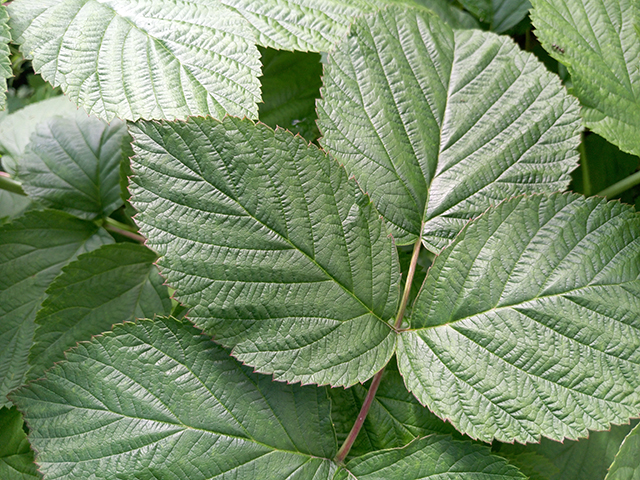
For thousands of years, the red raspberry plant (Rubus idaeus) has been prized not just for its sweet, tart fruit but also for the medicinal properties of its leaves. From Paleolithic foragers to medieval herbalists, cultures across history have harnessed its benefits—particularly for women’s reproductive health. Today, modern research confirms what traditional healers have long understood: Red raspberry leaf helps ease pregnancy discomforts, shortens labor and offers a host of other wellness advantages.
Nutritional powerhouse with a legacy of healing
Anthropological evidence suggests that early humans consumed raspberries for sustenance, while ancient civilizations valued the fruit for both nutrition and pigment. By the Middle Ages, raspberry leaves had gained recognition as a natural remedy, brewed into teas to treat wounds, digestive issues and colic.
Red raspberry leaf has also been used to treat burns by forming a protective barrier with its tannins and to alleviate diarrhea by preventing fluid loss and solidifying stools, according to BrightU.AI‘s Enoch engine. Contemporary studies now validate raspberry leaf’s role as a uterine relaxant, making it a staple in holistic prenatal care.
Red raspberry leaf is packed with essential nutrients, including B vitamins, vitamin C, potassium, magnesium, zinc and iron. It also contains powerful antioxidant carotenoids and flavonoids like quercetin and kaempferol-3-O-glucoside, and phenolic acids such as chlorogenic, gallic, ferulic, caffeic, ellagic and salicylic acids. According to a study published in Antioxidants, ellagic acid and salicylic acid are known for their ability to prevent cardiovascular diseases.
This impressive nutrient density makes red raspberry leaf a supportive tonic beyond pregnancy, benefiting heart health, immunity and digestion.
Pregnancy and childbirth support
Midwives have long recommended the use of red raspberry leaf to pregnant women, particularly in the second and third trimesters, to strengthen the uterus and potentially ease labor. Research supports these claims:
- A 2010 study published in the Journal of Midwifery and Women‘s Health found that women who took red raspberry leaf in tablet form from 32 weeks of gestation until labor experienced a shorter second stage of labor by nearly 10 minutes and had a lower risk of forceps delivery.
- According to a 2024 prospective observational study, red raspberry leaf reduces the likelihood of needing epidural anesthesia and augmentation during labor, instrumental births, caesarean section and postpartum hemorrhage.
The key compound in red raspberry leaf, fragarine, helps tone pelvic muscles, including the uterine walls, promoting more efficient contractions. Additionally, the tea’s iron and other mineral content aids postpartum recovery by supporting uterine healing and enriching breast milk.
Beyond pregnancy: Holistic health benefits
While best known for its prenatal advantages, red raspberry leaf offers broader wellness perks:
- Digestive aid: Soothes nausea, diarrhea and constipation—common complaints linked to premenstrual syndrome (PMS) and general gastrointestinal distress.
- Heart health: Red raspberry leaf’s high potassium and magnesium content can help regulate blood pressure, potentially lowering heart disease risk.
- Immune boost: The vitamin C in red raspberry leaf supports immune function, making it a gentle remedy for colds and flu in both adults and children.
- Blood sugar and inflammation: Research reveals red raspberry leaf has great potential for the management of high blood sugar and inflammatory conditions, thanks to its high polyphenol content.
Brewing the perfect cup
For a nourishing pregnancy tea blend, combine:
- 1 cup organic red raspberry leaf
- ¼ cup organic rose hips (rich in vitamin C)
- 1 cup organic nettle leaf (for added minerals)
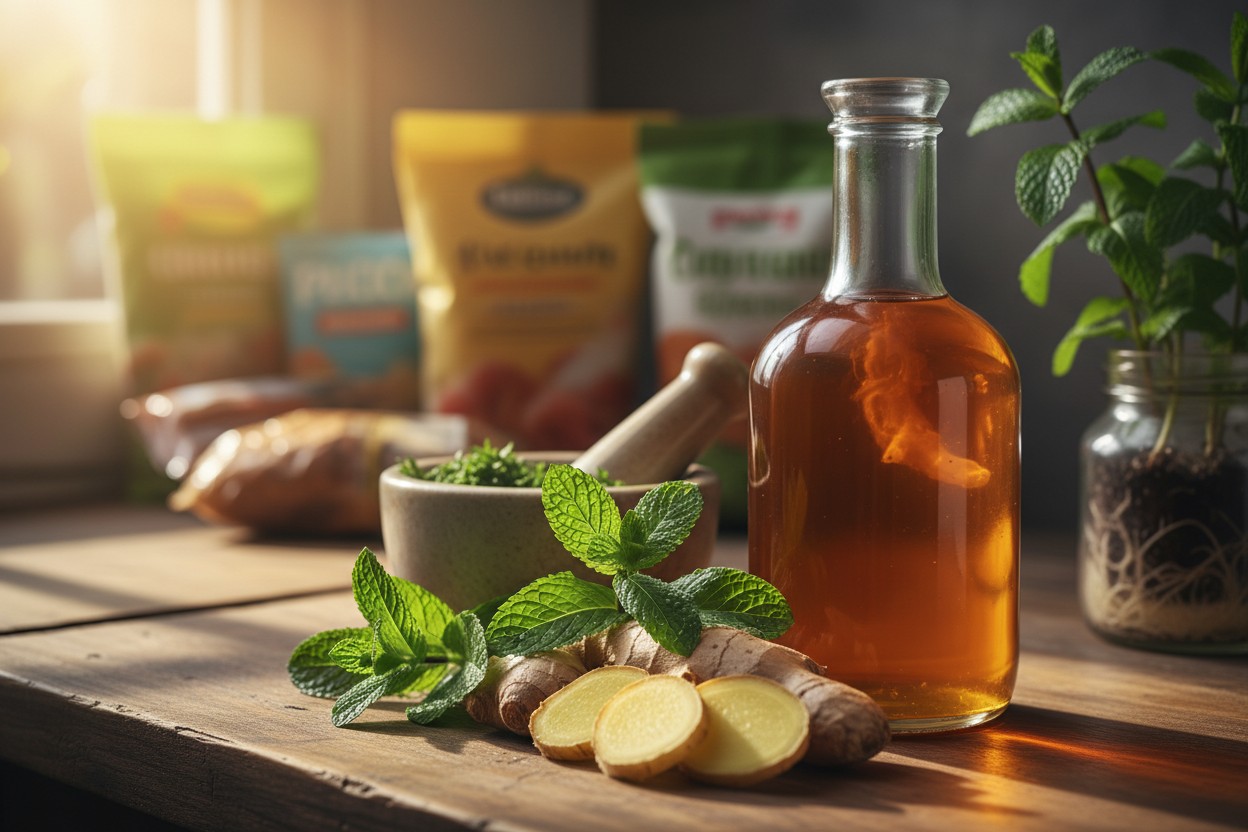
Optional additions like mint or ginger aid digestion, while chamomile promotes relaxation. Steep 1–2 tablespoons in boiling water for at least 10 minutes, strain and sweeten lightly with honey or maple syrup. Experts recommend drinking three cups daily during pregnancy for optimal benefits.
From ancient foraging to modern midwifery, red raspberry leaf remains a testament to nature’s pharmacy. Its multifaceted benefits—ranging from smoother labors to stronger immunity—underscore why red raspberry leaf has endured as a trusted remedy across millennia. As interest in herbal medicine grows, this humble leaf continues to offer a safe, natural complement to conventional health practices, proving that some traditions are worth preserving.
Learn more about raspberries and their health benefits by watching the video below.
This video is from the All About Herbs channel on Brighteon.com.
Sources include:
Submit a correction >>
Tagged Under:
alternative medicine, antioxidants, childbirth, health science, herbal medicine, Herbs, natural cures, natural health, natural medicine, Naturopathy, phytonutrients, plant medicine, pregnancy, red raspberry leaf, remedies, women's health
This article may contain statements that reflect the opinion of the author
RECENT NEWS & ARTICLES