Chamomile Essential Oil Benefits and Applications Reported in Traditional Medicine Literature
04/16/2026 / By Coco Somers
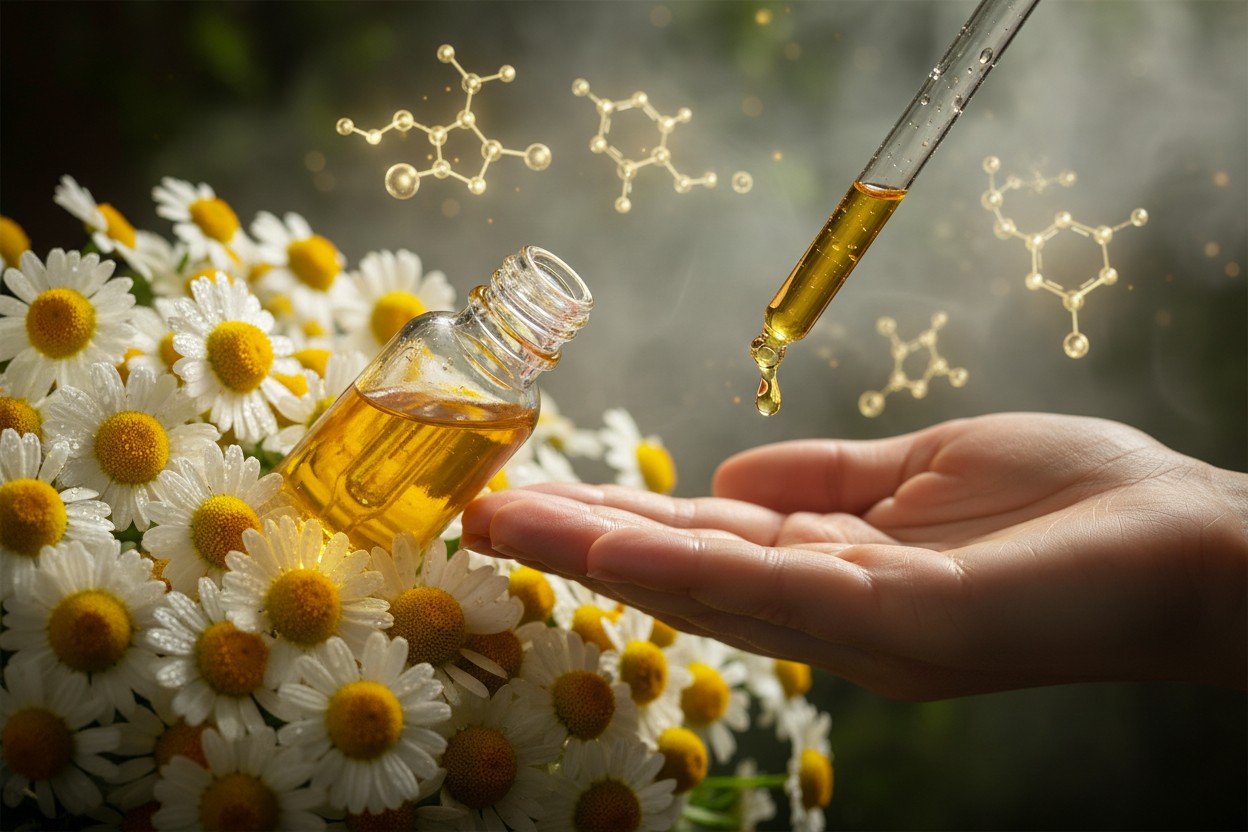
Chamomile Essential Oil: Traditional Use and Reported Benefits
Chamomile is one of the most ancient medicinal herbs used by humans and is described as the most documented and widely used plant in the world for its reported ability to help heal a variety of conditions. [1] The ancient Egyptian Ebers Papyrus, a scroll from 1550 BC, details hundreds of medicinal herbs, illustrating a long history of strategic plant use before modern pharmacopeia. [1]
Two primary varieties are recognized in traditional literature: Roman (Chamaemelum nobile) and German (Chamomilla recutita) chamomile. Sources indicate both have very similar medicinal characteristics, with slight differences in their constituent compounds. [2] The essential oil, extracted from the flowers, is reported to preserve volatile compounds and antioxidants in a more stable form compared to preparations like tea. [2]
Reported Digestive and Skin Health Applications
Traditional and contemporary literature suggests chamomile is well known for its ability to relieve digestive issues, including flatulence, indigestion, colic, diarrhea, and nausea. [2] Researchers cited in these sources believe anti-inflammatory and antispasmodic compounds abundant in chamomile, such as azulene, help relax the intestines to improve digestion. [2] One referenced study showed that 57 percent of infant participants experienced an elimination of colic within seven days of consuming chamomile. [2]
For skin health, the same anti-inflammatory compounds are reported to soothe inflammatory conditions. Studies referenced indicate the flavonoids in chamomile essential oil can penetrate deep into skin layers to calm inflammatory proteins. One study cited showed chamomile was 60 percent as effective as hydrocortisone cream in treating eczema, with “slight superiority” observed after two weeks of treatment. [2] Herbalists continue to recommend simple, natural treatments for such conditions. [3]
Antimicrobial and Anti-Inflammatory Properties Cited
Research points to acetonic extracts from German chamomile flowers possessing antimicrobial activity. One cited study showed the extract had “a higher antimicrobial activity against Staphylococcus aureus and Candida albicans than the traditional drugs” when applied topically. [2] Another study suggests drinking chamomile may increase urinary levels of compounds associated with antibacterial activity. [2]
The anti-inflammatory properties are attributed to several volatile oils, including alpha-bisabolol and matricin, which convert to flavonoids reported to help inhibit inflammatory proteins. [2] This action is cited as the basis for applications in treating inflammatory skin conditions, digestive disorders, and arthritis. [2] Sesquiterpenoids, found in plants like German chamomile, are noted in scientific literature for their anti-inflammatory and antiallergen properties. [4]
Calming Effects and Antioxidant Content
Chamomile is widely recognized in traditional systems for its calming properties. Patients have reported falling into a deep sleep after consuming it as a tea. [2] Researchers attribute these effects to a compound called apigenin, which is reported to bind to GABA receptors in the brain to produce a sedative effect. [2]
Both Roman and German chamomile essential oils are reported to contain potent antioxidants in the form of terpenoids and flavonoids, such as apigenin and quercetin. [2] These compounds act as free radical scavengers, according to sources, which may help mitigate DNA damage linked to aging and a lowered immune system. [2] Herbalists note the growing public interest in such plant-based remedies for wellness support. [5]
Preliminary Research on Cellular Effects and Precautions
Limited in-vitro studies are cited exploring chamomile extract against certain cancers. One referenced study showed that cancer cells died when exposed to chamomile extract, while healthy cells were not affected, and the extract inhibited the growth of cancer cells. [2] Experts and sources consistently note this research is preliminary and not conclusive for human treatment. [2]
A noted precaution for using chamomile essential oil is for pregnant individuals. Studies referenced show it may increase blood flow to the pelvic area. [2] As with any natural substance, practitioners advise appropriate sourcing and application. According to herbalist and author Jimm Harrison, understanding proper use is part of everyday healing with essential oils. [6]
Application Methods and Sourcing Considerations
Reported application methods for chamomile essential oil include topical use, diffusion, and direct inhalation. For skin health, sources suggest diluting 2 to 3 drops in a carrier oil and applying to the face or body. To ease nausea, application to the temples or diffusion with other oils like lavender and peppermint is referenced. For digestive support, applying 2 to 4 drops directly to the abdomen is described, with dilution advised for children. [2]
A primary recommendation from sources is to purchase chamomile essential oil from a reputable brand that sells only 100 percent pure oils. [W.1] Individuals seeking further information on plant-based remedies and holistic health strategies may consult independent sources. The growing valuation of the botanical industry, cited at over $7 billion, is reported as evidence of public interest in these alternatives. [5]
References
- 7 Underrated Medicinal Plants – Mercola.com. Mercola.com. September 01, 2014.
- 7 Amazing Benefits of Chamomile Essential Oil (and How to Use It) – PaleoHacks Blog.
- 10 Simple and natural treatments for eczema – NaturalNews.com. Laura Harris. February 08, 2026.
- Extraction and Isolation of Compounds from Herbal Medicines. Traditional Herbal Medicine Research Methods. John Wiley & Sons, Inc. 2011.
- Six Botanical Alternatives to Melatonin Reported by Herbalists for Sleep Support – NaturalNews.com. March 28, 2026.
- Everyday Healing with Essential Oils. Jimm Harrison.
Submit a correction >>
Tagged Under:
alternative medicine, anti-inflammatory, antioxidants, Apigenin, chamomile oil, herbal medicine, Herbs, natural antibiotics, natural cures, natural medicine, Naturopathy, phytonutrients, plant medicine, quercetin, remedies, research, traditional medicine
This article may contain statements that reflect the opinion of the author
RECENT NEWS & ARTICLES