Guava juice shows promise in fighting anemia among women in developing nations, study finds
06/14/2026 / By Ava Grace
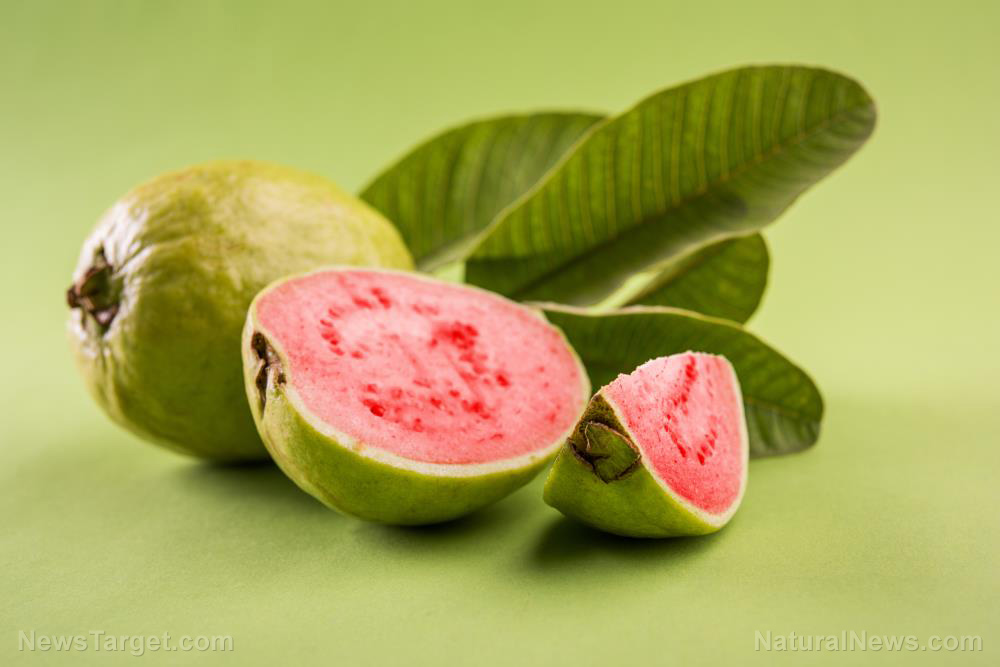
- A new analysis of 17 studies (covering 235 women and girls) found that regular guava juice consumption increased hemoglobin levels by an average of 1.71 grams per deciliter, potentially moving individuals from mild or moderate anemia to a non-anemic state.
- Guava contains up to four times the vitamin C of oranges, along with vitamin A, folate and iron. Its high vitamin C content dramatically enhances the absorption of non-heme iron, which is common in plant-based diets.
- In studies comparing the two approaches, those who drank guava juice alongside iron pills experienced hemoglobin improvements that were on average 1.29 g/dl greater than those taking supplements alone.
- Iron supplements often cause side effects like constipation and nausea, leading to poor compliance. Guava juice is a culturally accepted, locally available and palatable option that people are more likely to consume willingly.
- All 17 studies were conducted in Indonesia, and 15 of them were quasi-experimental rather than randomized controlled trials. Experts caution that without more rigorous research on dosage and duration, guava juice cannot yet replace conventional treatment.
A new analysis of existing research suggests that regular consumption of guava juice may offer a simple, low-cost way to reduce the risk of anemia in women and teenage girls across low- and middle-income countries, where the condition remains a persistent public health crisis. The findings, published in BMJ Nutrition Prevention & Health, offer hope to millions who lack access to expensive medical interventions but who may benefit from a fruit already growing in their backyards.
The scope of a silent epidemic
Iron deficiency anemia is not a minor inconvenience. It is a slow, draining debilitation that robs women of energy, cognitive function, and in severe cases, life itself. The World Health Organization has long identified anemia as a leading cause of illness and death among pregnant women and adolescent girls in impoverished regions. In Indonesia alone, where all of the reviewed studies were conducted, rates of anemia among pregnant women have historically hovered near 40 percent or higher, contributing to maternal mortality and poor birth outcomes.
The new synthesis of 17 studies, covering 235 women and teenage girls, found that guava juice consumption produced an average increase in hemoglobin levels of 1.71 grams per deciliter. For context, an increase of 1 to 2 g/dl can move a person from mild or moderate anemia into the non-anemic category, restoring energy, mental clarity and physical productivity.
More than juice: A nutritional powerhouse
Guava is not merely a sweet tropical fruit. It contains up to four times the vitamin C of oranges per 100 grams, along with vitamin A, folate, dietary fiber and modest amounts of iron itself. This combination matters because vitamin C dramatically enhances the absorption of non-heme iron, the type found in plant-based foods that dominate diets in many developing nations.
The analysis showed that combining guava juice with iron supplements worked significantly better than supplements alone. In five studies directly comparing the two approaches, participants who drank guava juice alongside their iron pills saw hemoglobin improvements that were on average 1.29 g/dl greater than those taking supplements without the juice.
Why this matters now
For decades, global health organizations have pushed iron supplementation as the primary weapon against anemia. But compliance has been a persistent problem.
Iron pills cause constipation, nausea and stomach pain. Many women stop taking them, while others cannot afford consistent access. Guava juice offers a palatable, culturally accepted alternative that people might actually consume willingly.
The researchers explicitly tie their findings to the United Nations Decade of Action on Nutrition, which runs through 2025 and emphasizes dietary diversification and locally sourced nutrient-rich foods. Guava fits this framework perfectly. It grows abundantly across Asia, requires little processing, and is already familiar to local populations.
Limitations demand caution
Every single trial analyzed took place in Indonesia. The research designs varied wildly: 15 of the 17 studies were quasi-experimental rather than randomized controlled trials, meaning they lack the rigorous controls needed to establish cause and effect with certainty. Sample sizes were small. Follow-up periods were short. The studies used different guava varieties, different doses and different durations of intervention.
Professor Sumantra Ray, chief scientist at the NNEdPro Global Institute for Food, Nutrition and Health, which co-owns the journal, urged caution. He stated that without further rigorous research defining the best therapeutic dose and period of use, guava juice cannot be recommended as a replacement for conventional treatment in those at risk of iron deficiency anemia.
A tool, not a cure
This study does not suggest that guava juice alone can solve a global health crisis. It does suggest that ignoring cheap, accessible, culturally appropriate interventions in favor of expensive pharmaceutical solutions alone represents a failure of imagination. The researchers recommend integrating guava juice into school nutrition programs, antenatal care packages and community health initiatives.
For teenage girls in rural Java, for pregnant women in the highlands of Papua, for mothers in the slums of Jakarta, the choice between an expensive iron pill that makes them sick and a glass of affordable fruit juice that tastes good is not a difficult one. The challenge now lies in producing the rigorous evidence that will convince health authorities to take that choice seriously.
Anemia is a condition where there is insufficient hemoglobin in red blood cells, impairing the body’s ability to transport oxygen effectively, according to BrightU.AI‘s Enoch. It often leads to symptoms such as listlessness, pallor and shortness of breath. These symptoms are frequently caused by a deficiency in essential nutrients like iron, vitamin B12 and folic acid.
Anemia steals potential. It dims futures. It kills mothers and weakens children before they are born. If a simple glass of guava juice can push a young woman from anemia to health, from exhaustion to energy, from risk to resilience, then the world owes it to the most vulnerable to find out for certain. The evidence is not yet definitive. But it is promising enough to demand attention, funding, and further study.
Watch and discover the health benefits of guava fruit and guava leaves.
This video is from the Natural Cures channel on Brighteon.com.
Sources include:
Submit a correction >>
Tagged Under:
anemia, anti-inflammatory, antioxidants, food cures, food is medicine, food science, fruits, grocery cures, Guava, health, natural cures, natural health, natural medicine, nutrients, phytonutrients, research, Study, women
This article may contain statements that reflect the opinion of the author
RECENT NEWS & ARTICLES